中
Early YearsJunior SchoolSenior SchoolInternational Curriculum CentreAcademic ResultsUniversity GuidanceUniversity OffersEnglish Language AcquisitionMandarinEdTech & STEAM
Home
/Academic
/Junior School
Welcome to Our Junior School
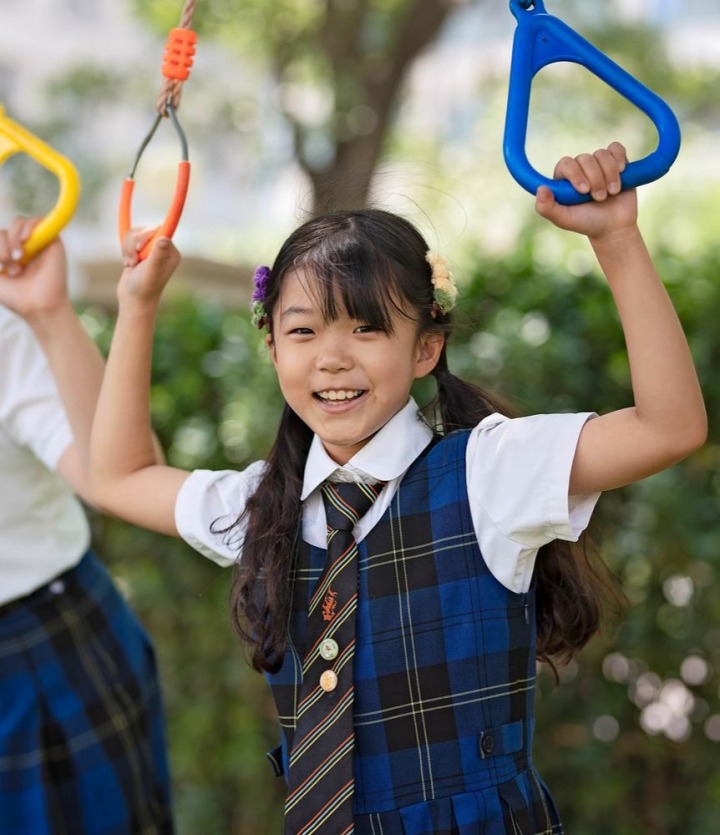
Our international Junior School in Tianjin provides an exceptional education for children aged 6–11, offering a bespoke curriculum that blends the British National Curriculum with our international, future-focused concept-based Programme of Inquiry.

We strive to create a nurturing and engaging environment that fosters independence, wellbeing, and lifelong learning, while instilling a passion for knowledge, confidence, and leadership. Our pupils develop into empathetic, independent thinkers; confident changemakers who can communicate effectively and navigate an increasingly global and digital world.
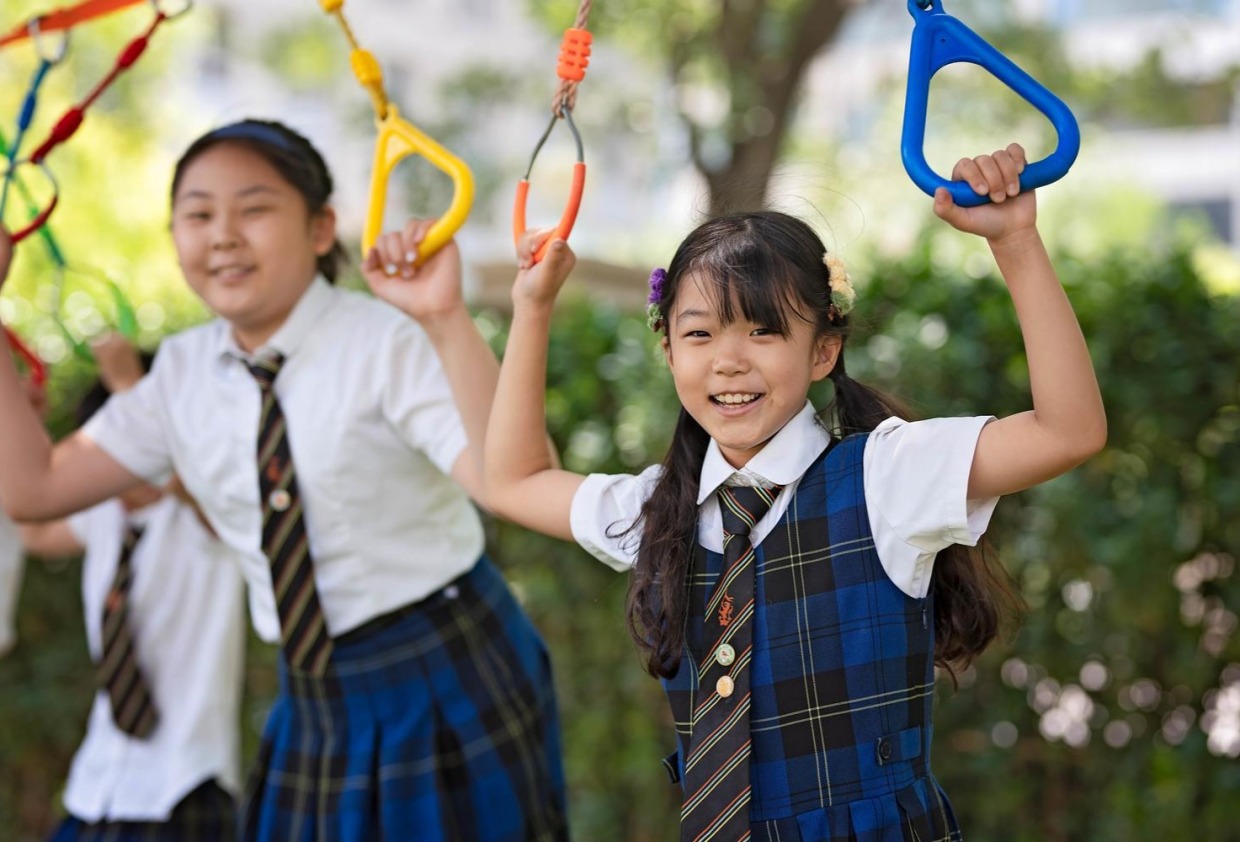
At every stage of Wellington education, our Junior School is guided by the school's core values: respect, kindness, responsibility, integrity, and courage. These principles prepare young learners not only for academic success but also for life beyond the classroom; nurturing balanced, self-aware individuals who understand themselves and others.

We foster confident communicators and lifelong learners, equipping them with the skills to thrive in a globally connected, digitally advanced world.
Our rigorous, concept-based curriculum establishes a strong foundation for your child's academic journey. While rooted in the English National Curriculum, we enhance it with a global, future-oriented perspective, ensuring pupils engage with real-world relevance and make meaningful connections throughout their learning.

A wide range of co-curricular activities—spanning Culture & Arts, Sports, and Academics—further enriches their educational experience.

During these formative years, pupils transition from general classroom teaching to specialised instruction, fostering independence and personalised learning as they prepare for Senior School. By the end of Year 6, they are well-equipped to embrace future academic challenges.

Subjects Taught in Junior School - English、Mandarin、Mathematics、Science、Humanities、Art and Design、Music、Physical Education (PE & Swimming)、Information Technology & Digital Citizenship、Wellbeing and Character Development.

Pupils are guided by classroom teachers and subject specialists, particularly in Music, PE, Swimming, and Mandarin.
Inquiry-Based Learning: A Dynamic Approach to Education.

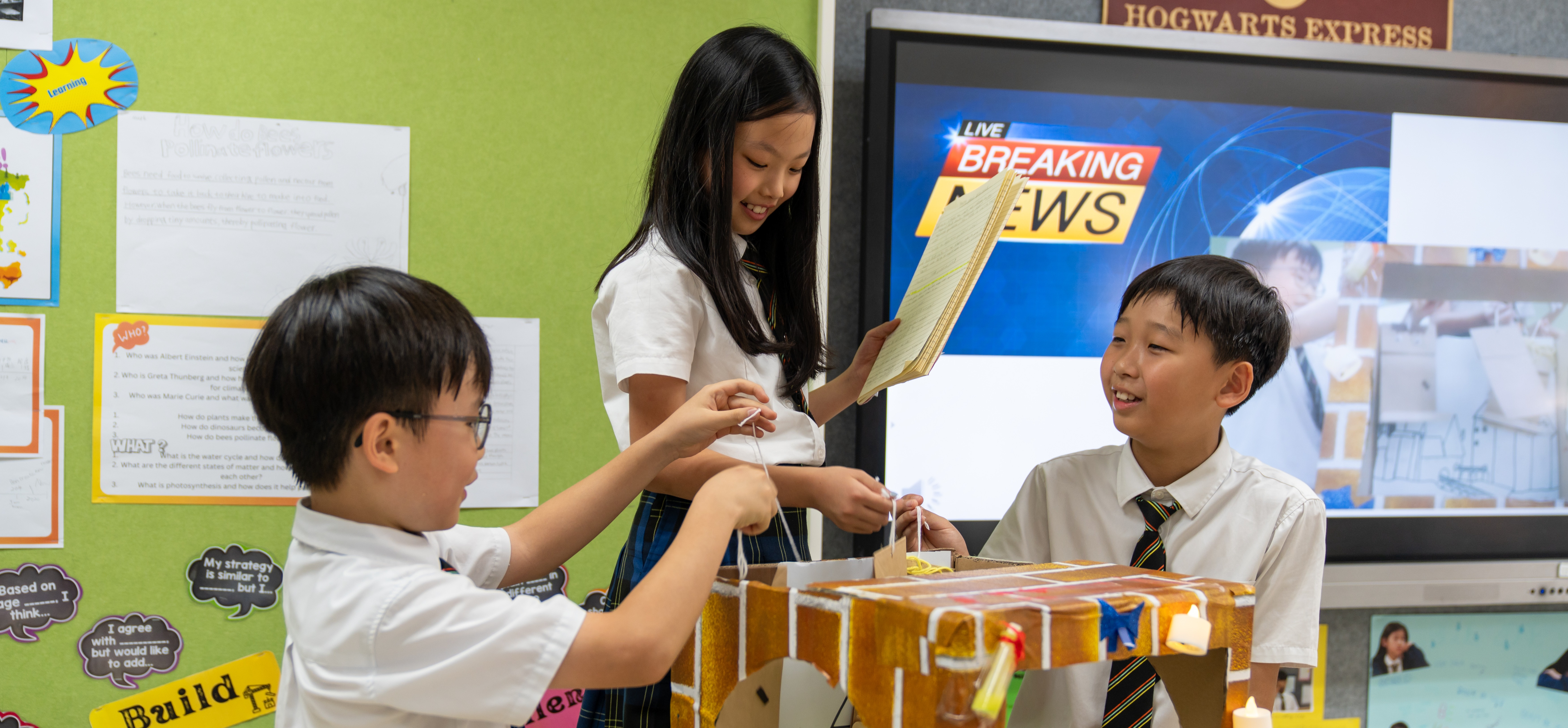
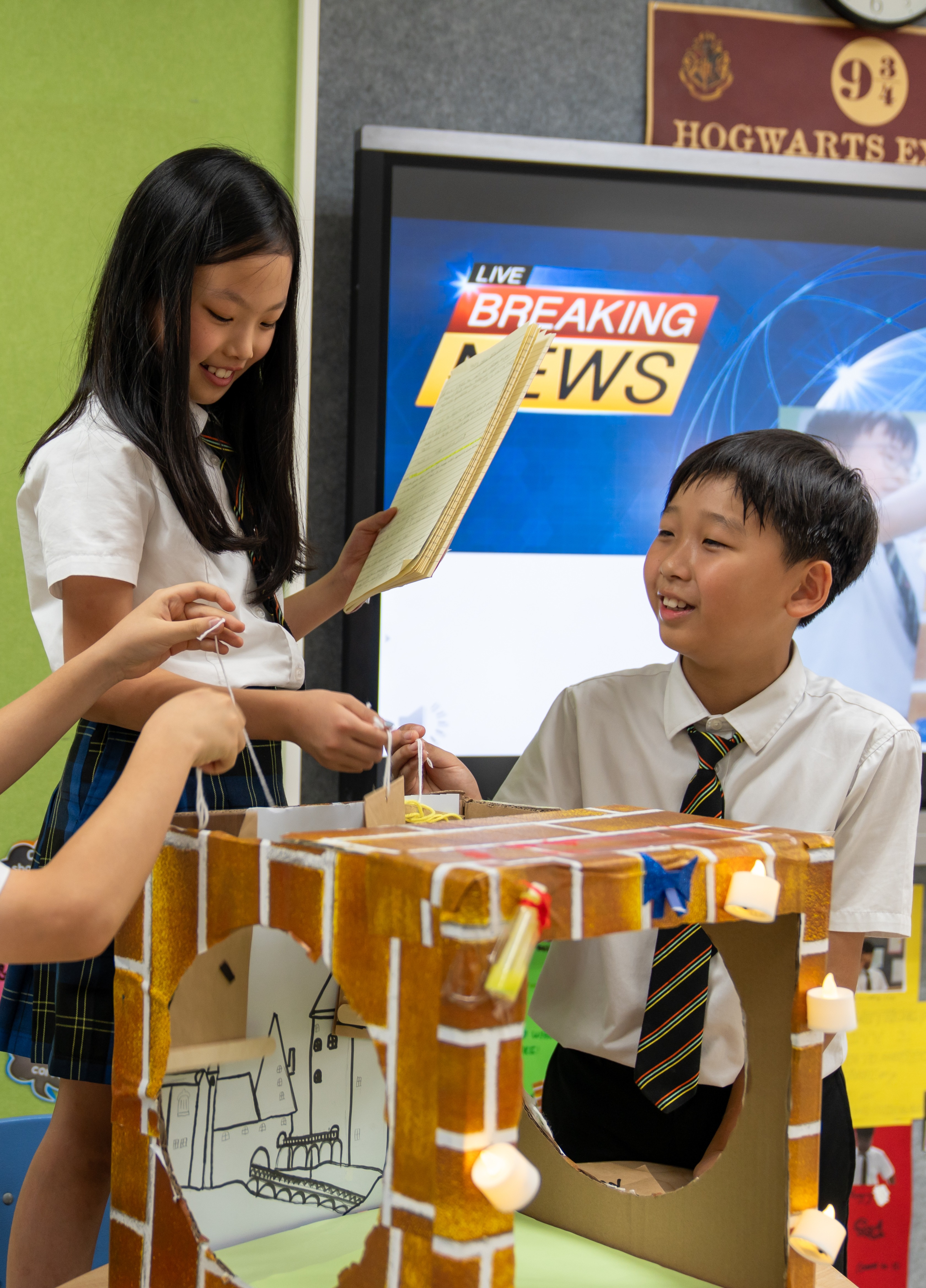
At Wellington College Tianjin, Inquiry is a pupil-centered approach that sparks curiosity, exploration, and deep understanding. Instead of simply memorising facts, pupils take ownership of their learning, asking questions, investigating ideas, and constructing knowledge through hands-on experiences and critical thinking.

What Makes Inquiry Different?

Inquiry moves beyond traditional single-subject teaching (like history or science) to an integrated, cross-disciplinary approach. Pupils explore topics by connecting knowledge from science, geography, history, art, and technology, uncovering universal concepts (such as change or systems) that apply across subjects. This method:

· Deepens understanding of complex issues

· Develops essential skills like research, problem-solving, and critical thinking

· Makes learning meaningful by applying knowledge to real-world contexts


Our Approach: Concept-Based Inquiry (CBI)

Guided by Rachel French and Jessica Humble-Crofts of Professional Learning International, we've developed our Concept-Based Inquiry (CBI) programme, ensuring a structured yet flexible framework for deeper learning.

How Does Inquiry Work?

Inquiry-based learning begins with a pupil's natural curiosity. Teachers guide children as they:

Question – Develop their own lines of inquiry.

Research – Gather and evaluate information.

Analyse – Interpret data and identify patterns.

Synthesise – Draw conclusions and form new understandings.

Reflect – Consider how their learning applies to other contexts.

Take Action – Use knowledge to solve problems or create positive change.

This approach nurtures independent thinkers, creative problem-solvers, and lifelong learners.


Year 6 Wellington Extended Project Qualification (WEPQ)

In their final year of Junior School, pupils undertake a mini-EPQ (Extended Project Qualification), where they:

· Choose a topic of personal interest

· Conduct independent research

· Develop critical skills in analysis, writing, and presentation

· Produce a written report and deliver a formal presentation

This project allows pupils to apply their cumulative knowledge from previous Inquiry units, deepening their expertise in a chosen field while preparing them for the challenges of Senior School.


Core Curriculum Areas

Wellington College International Tianjin has implemented a world-class curriculum customised to meet the needs of our learners.

Core subjects such as Mathematics and English are based on proven effective systems that are regularly reviewed such as White Rose Mathematics, Shanghai Mathsematics, Read Write Inc, and Talk for Writing, Humanities and Science are delivered through our Programme of Inquiry.

Our Mathematics Programme: Rigor, Depth, and Mastery

At Wellington College Tianjin, we combine the UK White Rose Maths and Shanghai Maths approaches to create a rigorous, challenging, and comprehensive mathematics curriculum. This dual framework ensures pupils develop both depth and breadth in their mathematical understanding, fostering confident, competent mathematicians ready for future academic success.

Why White Rose Maths?

The new UK White Rose Mathematics programme builds on the proven success of the UK National Curriculum, emphasising:

Fluency – Mastering core skills with confidence.

Reasoning – Applying logic to solve complex problems.

Gradual Progression – Breaking concepts into small, manageable steps to consolidate learning.

Developed by expert educators, White Rose Maths encourages deep conceptual understanding—moving beyond rote memorisation to genuine mastery.

The Shanghai Maths Advantage

Complementing White Rose Maths, the Shanghai approach adds:

· High Challenge – Stretching even the most able mathematicians.

· Coherence – Linking topics to show the "bigger picture" of maths.

· Precision & Rigor – Ensuring clarity in every concept.

Together, these methodologies create a balanced, world-class maths education.

Aims of Our Mathematics Programme

We strive to:

· Spark enjoyment in maths through exploration, discussion, and hands-on learning.

· Build deep understanding of concepts, enabling pupils to apply knowledge to new situations.

· Develop essential life skills—critical thinking, collaboration, and communication—through mathematical tasks.

· Highlight real-world relevance, showing how maths shapes everyday life.

· Encourage lifelong learning, nurturing independent, self-motivated pupils who take ownership of their progress.

Developing Mathematical Agency

Our approach empowers pupils to:

· Direct their own learning (agency).

· Think flexibly when tackling unfamiliar problems.

· See connections between mathematical concepts.

By Year 6, pupils emerge as resilient problem-solvers, fully prepared for the demands of Senior School and beyond.
The English curriculum is based on the UK National Curriculum and is linked through our new Programme of Inquiry. This allows our pupils to have a deeper knowledge and understanding of what is being taught.  Our Literacy curriculum develops the areas of phonics, reading, writing, speaking and listening and grammar.  

We use programmes such as Read Write Inc and Talk 4 Writing to deliver our literacy curriculum and link these methods to our Inquiry themes.  We use the Ros Wilson Big Write writing standards to assess our writing skills against the UK standards, and our ELA pupils use goals from the Bell Foundation Primary Assessment framework which provides specific targets for them to achieve to develop fluency across the four domains: Listening, Speaking, Reading and Viewing and Writing.

Literacy skills are of paramount importance in our school:

· To provide an environment within which each child can gain equal access to all opportunities to develop their understanding and usage of English effectively and appropriately.

· To help pupils understand the importance of language in its various forms and contexts and develop their abilities to communicate using these varying forms.  

· To give pupils the opportunity and encouragement to develop their own skills and talents in an independent way.

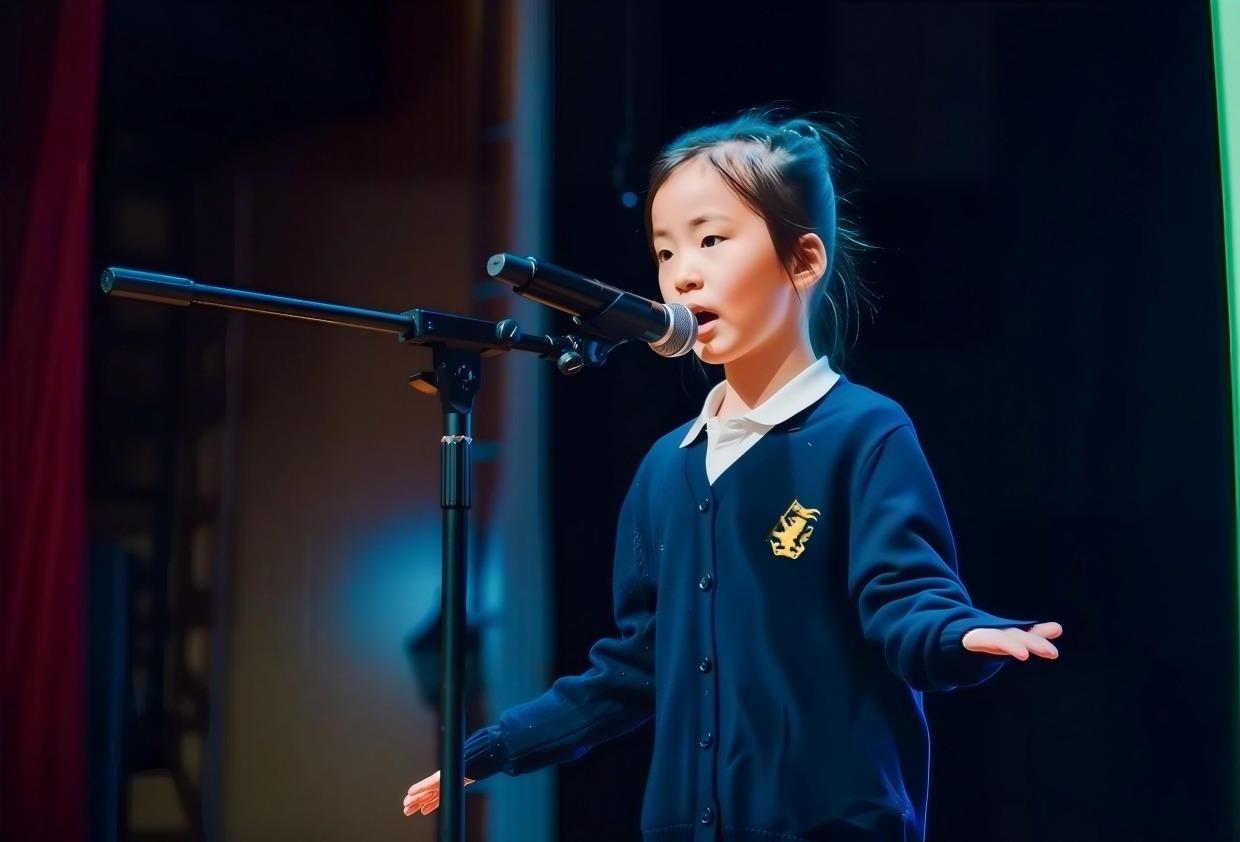
Developing oracy skills is a key part of our English curriculum. Essentially, it helps pupils to become confident communicators. By practicing speaking and listening, pupils can learn how to express their ideas clearly and effectively, and also develop the ability to actively listen to others. This can help them in a range of contexts, from participating in class discussions to giving presentations and interviews in the future. Additionally, developing oracy skills can also help our pupils to improve their reading and writing abilities, as they become more aware of the structure and nuances of language. Ultimately, by focusing on oracy skills, we can help our children become better communicators and more successful learners.
Our Mandarin curriculum is academically rigorous, designed for both native and non-native speakers, with age-appropriate content aligned to pupils' cognitive development. By Years 7–9, the programme builds on Junior School foundations, preparing pupils for public examinations.

Native Mandarin Curriculum

Integrating the best of Chinese and Western pedagogy, our Native Mandarin programme combines the Wellington grading system with the Chinese Primary Syllabus. Pupils develop:

· Strong oral and written communication skills

· Literary appreciation

· Cultural understanding through activities like:

· Chinese Culture Weeks

· Inquiry unit connections

· Competitions and celebrations

Non-Native Mandarin Curriculum

Based on the International Curriculum for Chinese Language Education, this programme focuses on real-world Mandarin for daily life, covering themes like:

· Greetings & self-introductions

· School life & hobbies

· Family, clothing, and professions

· Pupils practice listening, speaking, reading, and writing while experiencing Chinese culture through:

· Thematic lessons

· Authentic activities

· Practical language use

This foundation ensures a smooth transition to Senior School Mandarin studies.
STEAM is woven into our Inquiry units, integrating science, technology, engineering, art, and mathematics in a hands-on, real-world context. This approach:

Connects learning across subjects (e.g., literacy and numeracy) for deeper understanding.

Encourages collaboration—pupils develop teamwork, communication, and problem-solving skills.

Makes learning tangible through practical projects that mirror real-life challenges.
All pupils enjoy at least 2 hours of PE weekly, engaging in activities like athletics, yoga, and team sports tailored to their age and ability. Through PE, they:

· Build physical skills (coordination, control, and movement).

· Learn teamwork, fair play, and sportsmanship.

Swimming Programme

Pupils swim weekly, focusing on:

· Water safety fundamentals.

· Technique development in front crawl, backstroke, and breaststroke.

Active play is further encouraged during breaks with supervised playground activities.
Music at Wellington nurtures creativity, self-expression, and collaboration. Pupils:

· Explore diverse genres, from Western classical to world music.

· Develop performance skills (singing, instrumental playing) and music theory.

· Compose and improvise, drawing on global musical traditions.

Key Skills Cultivated:

· Confidence & teamwork through solo and ensemble performances.

· Critical listening by analyzing works from great composers.

· Aural musicianship through notation and structured critique.

· Pupils showcase their talents in regular performances, celebrating their progress.

Wellbeing & Digital Citizenship

At Wellington, we integrate wellbeing and digital citizenship into our curriculum, guided by the UK National Curriculum and Common Sense Education's Digital Citizenship Framework. Our holistic approach ensures pupils develop emotional resilience, healthy habits, and responsible digital skills—preparing them to thrive both online and offline.


We foster wellbeing through:
1. Emotional Literacy
Self-awareness: Pupils learn to identify and express emotions constructively.
Resilience: Strategies for managing stress, setbacks, and challenges.
Mindfulness: Techniques to improve focus and emotional regulation.
2. Positive Relationships
Kindness & empathy: Core values embedded in daily interactions.
Conflict resolution: Pupils practice respectful communication and problem-solving.
3. Physical Health
Active lifestyles: Regular PE, swimming, and outdoor activities.
Nutrition education: Healthy eating habits for energy and concentration.
Our Common Sense Media-aligned programme teaches pupils to:
1. Digital Literacy & Safety
Privacy protection: Understanding personal data and secure online behavior.
Cyberbullying prevention: Recognizing, reporting, and resisting negative interactions.
2. Critical Thinking Online
Media literacy: Evaluating credible sources and avoiding misinformation.
Balanced screen time: Managing technology use for wellbeing.
3. Ethical Digital Footprint
Responsible posting: Understanding the permanence of online actions.
Respectful communication: Netiquette and inclusivity in digital spaces.
Curriculum integration: Lessons in PSHE, ICT, and Inquiry units.
Parent partnerships: Workshops on supporting wellbeing and digital safety at home.
Pupil leadership: Digital ambassadors promote peer-to-peer learning.
By combining wellbeing and digital citizenship, we empower pupils to navigate modern challenges with confidence, empathy, and integrity.
At Wellington, our vision is to create a caring, international community that develops well-rounded individuals with strong values and the skills to thrive as global citizens in an ever-changing world.
Our Definition of Global Citizenship
We inspire Wellingtonians to:
• Proactively address global challenges
• Work together with compassion and responsibility
• Take action to build fairer communities and a more sustainable planet
The Four Pillars of Global Citizenship
Knowledge & Understanding
Pupils explore:
• Identity, diversity, and human rights
• Global issues & sustainable development
• Service learning
• Skills Development

We cultivate:
• Communication & leadership
• Self-awareness & resilience
• Research & critical thinking
Values & Attitudes
Aligned with our core values, pupils demonstrate:
• Courage to make a difference
• Kindness and tolerance
• Respect for people and human rights
• Responsibility for environmental stewardship
• Integrity in all interactions
Taking Action
Pupils lead projects at personal, local, and global levels, applying their learning to real-world challenges.
School Ethos: Embedded in our vision, values, and daily practices.

Curriculum: Integrated across all subjects and key stages, in and beyond the classroom.

Participation: Pupils lead curricular and extracurricular projects on sustainability, peace, and equality.

Staff Development: Teachers receive industry-leading training in intercultural skills and global citizenship.

Transition: Our bespoke programmes prepare pupils for further education and the workplace through a global lens.

Community Engagement: We partner with local and international networks to amplify our impact.

Co-Curricular Activities


At Wellington, learning extends beyond the classroom. While we prioritise academic excellence, our diverse activities programme promotes holistic development, encouraging pupils to:
· Explore new interests
· Learn new skills
· Maintain physical and intellectual wellbeing
· Discover avenues for self-expression

These activities play a crucial role in shaping well-rounded individuals, helping them uncover their passions and develop intellectual, cultural, and athletic skills—starting in Early Years and continuing through each phase of their education.

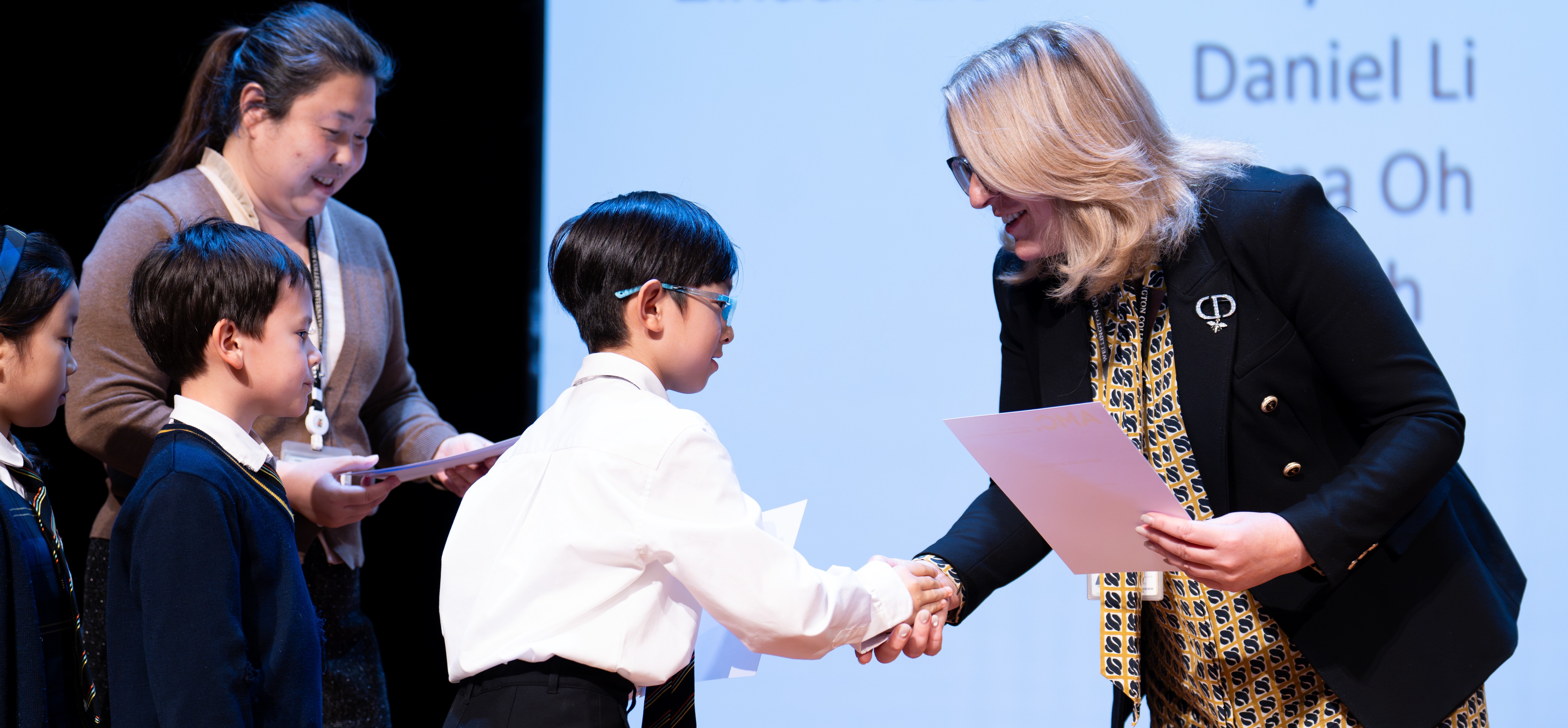
Junior School assemblies take place every Wednesday at 3:00 PM in the Theatre. These gatherings are a vibrant opportunity for pupils to:

· Showcase their learning through presentations and performances.
· Engage with inspiring speakers from across the school, including Senior School pupils.
· Explore whole-school themes that connect to our core values.

Parents are warmly invited to attend weekly class assemblies and join in celebrating their child's achievements.

EDUCATION OUTSIDE THE CLASSROOM


We believe learning extends far beyond the classroom. Through field trips and residential experiences, pupils:


· Connect lessons to real-world contexts.
· Develop independence and teamwork.
· Explore new environments with guided, curriculum-linked activities.


Key Trips:


· Year 4: Residential trip within the countryside of Tianjin.
· Year 5: Educational excursion to Shanghai and visit peers at our Shanghai Wellington School.
· Year 6: Annual trip to London and visit peers at our UK Wellington School and Oxford University.


Parents receive advance notice for all trips, including briefings, schedules, links to the curriculum, permission slips, and uniform requirement


To learn more about our Junior School, please submit an enquiry form. Our Admissions team will contact you.
Enquire Now
A Wellington College Education School
Contact Us
(+86-22) 8758-7199
No.1 Yide Dao, Hong Qiao District, Tianjin 300120 China
Useful links
Contact Us
Privacy Agreement
Copyright © 2026 Wellington College International Tianjin. All Rights Reserved. | 沪ICP备16027332号 沪公网安备31011502006872号
About Us
Our Story
Vision and Values
Governance
Our People
Job Opportunities
Sustainability
Affiliations & Accreditations
Festival of Education
Contact Us
Admissions
Virtual Tour
Application Process
Fees
Scholarships
FAQs
Contact Admissions
Open Days
Academic
Early Years
Junior School
Senior School
International Curriculum Centre
Why A Level
Pre-A Level
Formal Course
A Level Results
Academic Results
University Guidance
University Offers
English Language Acquisition
Mandarin
EdTech & STEAM
School Life & Community
Safeguarding
Co-Curricular Activities Programme
Arts,  Performing Arts & Music
Sports
Educational Visits
Enrichment
Competitions
Academy Programme
Our Pupils
Pupil Leadership
Our Alumni
Friends of Wellington
The Library
School Services
Catering
Uniform
School Bus
Coffee Shop
Pastoral Care & Wellbeing
House System
Wellbeing
Pupil Support
SEN & Inclusion
Health & Safety
Healthcare Centre
News and Media
Latest News
Photo Gallery
Video Gallery
Calendar
Contact Usprivacy agreement
中
Junior School
Home
/Academic
/Junior School
Welcome to Our Junior School
Our international Junior School in Tianjin provides an exceptional education for children aged 6–11, offering a bespoke curriculum that blends the British National Curriculum with our international, future-focused concept-based Programme of Inquiry.

We strive to create a nurturing and engaging environment that fosters independence, wellbeing, and lifelong learning, while instilling a passion for knowledge, confidence, and leadership. Our pupils develop into empathetic, independent thinkers; confident changemakers who can communicate effectively and navigate an increasingly global and digital world.
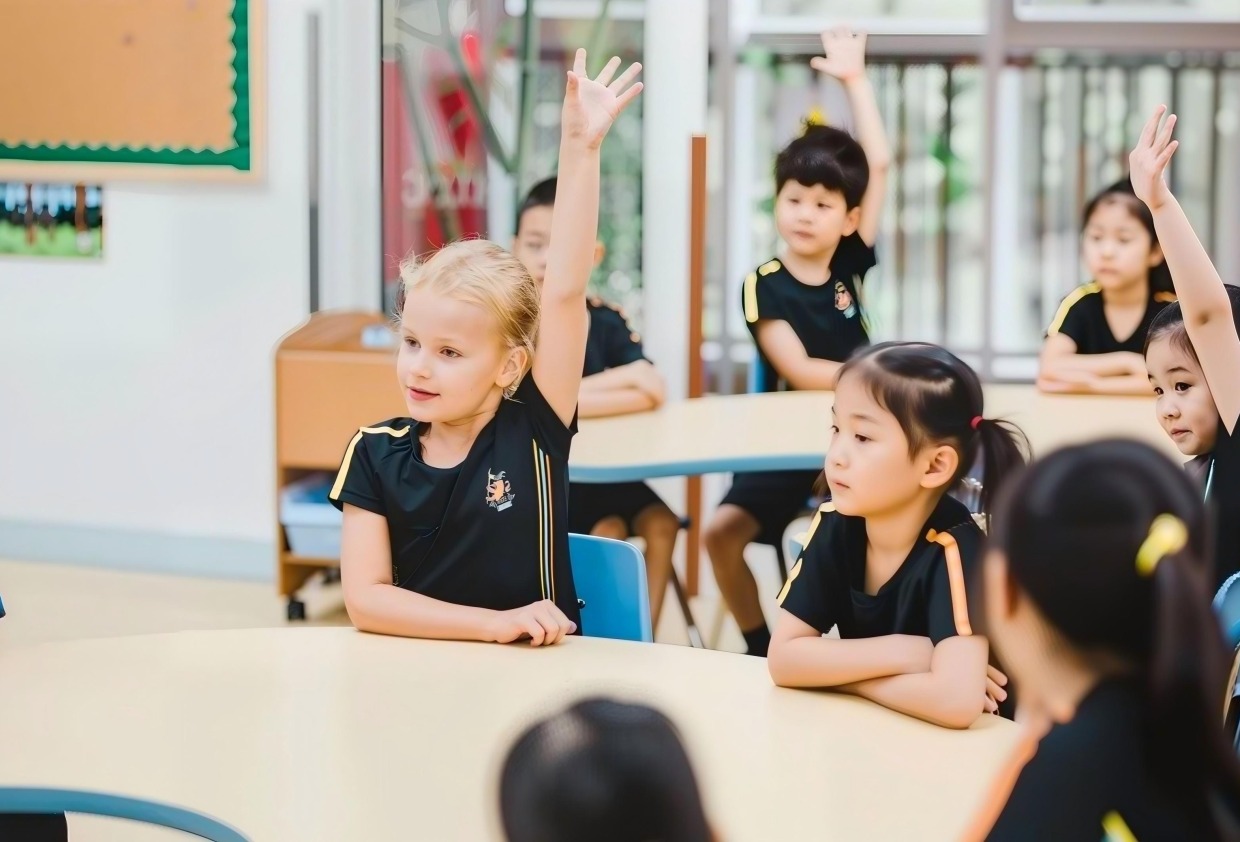
At every stage of Wellington education, our Junior School is guided by the school's core values: respect, kindness, responsibility, integrity, and courage. These principles prepare young learners not only for academic success but also for life beyond the classroom; nurturing balanced, self-aware individuals who understand themselves and others.

We foster confident communicators and lifelong learners, equipping them with the skills to thrive in a globally connected, digitally advanced world.
Our rigorous, concept-based curriculum establishes a strong foundation for your child's academic journey. While rooted in the English National Curriculum, we enhance it with a global, future-oriented perspective, ensuring pupils engage with real-world relevance and make meaningful connections throughout their learning.

A wide range of co-curricular activities—spanning Culture & Arts, Sports, and Academics—further enriches their educational experience.

During these formative years, pupils transition from general classroom teaching to specialised instruction, fostering independence and personalised learning as they prepare for Senior School. By the end of Year 6, they are well-equipped to embrace future academic challenges.

Subjects Taught in Junior School - English、Mandarin、Mathematics、Science、Humanities、Art and Design、Music、Physical Education (PE & Swimming)、Information Technology & Digital Citizenship、Wellbeing and Character Development.

Pupils are guided by classroom teachers and subject specialists, particularly in Music, PE, Swimming, and Mandarin.
Inquiry-Based Learning: A Dynamic Approach to Education.

At Wellington College Tianjin, Inquiry is a pupil-centered approach that sparks curiosity, exploration, and deep understanding. Instead of simply memorising facts, pupils take ownership of their learning, asking questions, investigating ideas, and constructing knowledge through hands-on experiences and critical thinking.

What Makes Inquiry Different?

Inquiry moves beyond traditional single-subject teaching (like history or science) to an integrated, cross-disciplinary approach. Pupils explore topics by connecting knowledge from science, geography, history, art, and technology, uncovering universal concepts (such as change or systems) that apply across subjects. This method:

· Deepens understanding of complex issues

· Develops essential skills like research, problem-solving, and critical thinking

· Makes learning meaningful by applying knowledge to real-world contexts


Our Approach: Concept-Based Inquiry (CBI)

Guided by Rachel French and Jessica Humble-Crofts of Professional Learning International, we've developed our Concept-Based Inquiry (CBI) programme, ensuring a structured yet flexible framework for deeper learning.

How Does Inquiry Work?

Inquiry-based learning begins with a pupil's natural curiosity. Teachers guide children as they:

Question – Develop their own lines of inquiry.

Research – Gather and evaluate information.

Analyse – Interpret data and identify patterns.

Synthesise – Draw conclusions and form new understandings.

Reflect – Consider how their learning applies to other contexts.

Take Action – Use knowledge to solve problems or create positive change.

This approach nurtures independent thinkers, creative problem-solvers, and lifelong learners.


Year 6 Wellington Extended Project Qualification (WEPQ)

In their final year of Junior School, pupils undertake a mini-EPQ (Extended Project Qualification), where they:

· Choose a topic of personal interest

· Conduct independent research

· Develop critical skills in analysis, writing, and presentation

· Produce a written report and deliver a formal presentation

This project allows pupils to apply their cumulative knowledge from previous Inquiry units, deepening their expertise in a chosen field while preparing them for the challenges of Senior School.


Core Curriculum Areas

Wellington College International Tianjin has implemented a world-class curriculum customised to meet the needs of our learners.

Core subjects such as Mathematics and English are based on proven effective systems that are regularly reviewed such as White Rose Mathematics, Shanghai Mathsematics, Read Write Inc, and Talk for Writing, Humanities and Science are delivered through our Programme of Inquiry.

Our Mathematics Programme: Rigor, Depth, and Mastery

At Wellington College Tianjin, we combine the UK White Rose Maths and Shanghai Maths approaches to create a rigorous, challenging, and comprehensive mathematics curriculum. This dual framework ensures pupils develop both depth and breadth in their mathematical understanding, fostering confident, competent mathematicians ready for future academic success.

Why White Rose Maths?

The new UK White Rose Mathematics programme builds on the proven success of the UK National Curriculum, emphasising:

Fluency – Mastering core skills with confidence.

Reasoning – Applying logic to solve complex problems.

Gradual Progression – Breaking concepts into small, manageable steps to consolidate learning.

Developed by expert educators, White Rose Maths encourages deep conceptual understanding—moving beyond rote memorisation to genuine mastery.

The Shanghai Maths Advantage

Complementing White Rose Maths, the Shanghai approach adds:

· High Challenge – Stretching even the most able mathematicians.

· Coherence – Linking topics to show the "bigger picture" of maths.

· Precision & Rigor – Ensuring clarity in every concept.

Together, these methodologies create a balanced, world-class maths education.

Aims of Our Mathematics Programme

We strive to:

· Spark enjoyment in maths through exploration, discussion, and hands-on learning.

· Build deep understanding of concepts, enabling pupils to apply knowledge to new situations.

· Develop essential life skills—critical thinking, collaboration, and communication—through mathematical tasks.

· Highlight real-world relevance, showing how maths shapes everyday life.

· Encourage lifelong learning, nurturing independent, self-motivated pupils who take ownership of their progress.

Developing Mathematical Agency

Our approach empowers pupils to:

· Direct their own learning (agency).

· Think flexibly when tackling unfamiliar problems.

· See connections between mathematical concepts.

By Year 6, pupils emerge as resilient problem-solvers, fully prepared for the demands of Senior School and beyond.
The English curriculum is based on the UK National Curriculum and is linked through our new Programme of Inquiry. This allows our pupils to have a deeper knowledge and understanding of what is being taught.  Our Literacy curriculum develops the areas of phonics, reading, writing, speaking and listening and grammar.  

We use programmes such as Read Write Inc and Talk 4 Writing to deliver our literacy curriculum and link these methods to our Inquiry themes.  We use the Ros Wilson Big Write writing standards to assess our writing skills against the UK standards, and our ELA pupils use goals from the Bell Foundation Primary Assessment framework which provides specific targets for them to achieve to develop fluency across the four domains: Listening, Speaking, Reading and Viewing and Writing.

Literacy skills are of paramount importance in our school:

· To provide an environment within which each child can gain equal access to all opportunities to develop their understanding and usage of English effectively and appropriately.

· To help pupils understand the importance of language in its various forms and contexts and develop their abilities to communicate using these varying forms.  

· To give pupils the opportunity and encouragement to develop their own skills and talents in an independent way.

Developing oracy skills is a key part of our English curriculum. Essentially, it helps pupils to become confident communicators. By practicing speaking and listening, pupils can learn how to express their ideas clearly and effectively, and also develop the ability to actively listen to others. This can help them in a range of contexts, from participating in class discussions to giving presentations and interviews in the future. Additionally, developing oracy skills can also help our pupils to improve their reading and writing abilities, as they become more aware of the structure and nuances of language. Ultimately, by focusing on oracy skills, we can help our children become better communicators and more successful learners.
Our Mandarin curriculum is academically rigorous, designed for both native and non-native speakers, with age-appropriate content aligned to pupils' cognitive development. By Years 7–9, the programme builds on Junior School foundations, preparing pupils for public examinations.

Native Mandarin Curriculum

Integrating the best of Chinese and Western pedagogy, our Native Mandarin programme combines the Wellington grading system with the Chinese Primary Syllabus. Pupils develop:

· Strong oral and written communication skills

· Literary appreciation

· Cultural understanding through activities like:

· Chinese Culture Weeks

· Inquiry unit connections

· Competitions and celebrations

Non-Native Mandarin Curriculum

Based on the International Curriculum for Chinese Language Education, this programme focuses on real-world Mandarin for daily life, covering themes like:

· Greetings & self-introductions

· School life & hobbies

· Family, clothing, and professions

· Pupils practice listening, speaking, reading, and writing while experiencing Chinese culture through:

· Thematic lessons

· Authentic activities

· Practical language use

This foundation ensures a smooth transition to Senior School Mandarin studies.
STEAM is woven into our Inquiry units, integrating science, technology, engineering, art, and mathematics in a hands-on, real-world context. This approach:

Connects learning across subjects (e.g., literacy and numeracy) for deeper understanding.

Encourages collaboration—pupils develop teamwork, communication, and problem-solving skills.

Makes learning tangible through practical projects that mirror real-life challenges.
All pupils enjoy at least 2 hours of PE weekly, engaging in activities like athletics, yoga, and team sports tailored to their age and ability. Through PE, they:

· Build physical skills (coordination, control, and movement).

· Learn teamwork, fair play, and sportsmanship.

Swimming Programme

Pupils swim weekly, focusing on:

· Water safety fundamentals.

· Technique development in front crawl, backstroke, and breaststroke.

Active play is further encouraged during breaks with supervised playground activities.
Music at Wellington nurtures creativity, self-expression, and collaboration. Pupils:

· Explore diverse genres, from Western classical to world music.

· Develop performance skills (singing, instrumental playing) and music theory.

· Compose and improvise, drawing on global musical traditions.

Key Skills Cultivated:

· Confidence & teamwork through solo and ensemble performances.

· Critical listening by analyzing works from great composers.

· Aural musicianship through notation and structured critique.

· Pupils showcase their talents in regular performances, celebrating their progress.

Wellbeing & Digital Citizenship

At Wellington, we integrate wellbeing and digital citizenship into our curriculum, guided by the UK National Curriculum and Common Sense Education's Digital Citizenship Framework. Our holistic approach ensures pupils develop emotional resilience, healthy habits, and responsible digital skills—preparing them to thrive both online and offline.


We foster wellbeing through:
1. Emotional Literacy
Self-awareness: Pupils learn to identify and express emotions constructively.
Resilience: Strategies for managing stress, setbacks, and challenges.
Mindfulness: Techniques to improve focus and emotional regulation.
2. Positive Relationships
Kindness & empathy: Core values embedded in daily interactions.
Conflict resolution: Pupils practice respectful communication and problem-solving.
3. Physical Health
Active lifestyles: Regular PE, swimming, and outdoor activities.
Nutrition education: Healthy eating habits for energy and concentration.
Our Common Sense Media-aligned programme teaches pupils to:
1. Digital Literacy & Safety
Privacy protection: Understanding personal data and secure online behavior.
Cyberbullying prevention: Recognizing, reporting, and resisting negative interactions.
2. Critical Thinking Online
Media literacy: Evaluating credible sources and avoiding misinformation.
Balanced screen time: Managing technology use for wellbeing.
3. Ethical Digital Footprint
Responsible posting: Understanding the permanence of online actions.
Respectful communication: Netiquette and inclusivity in digital spaces.
Curriculum integration: Lessons in PSHE, ICT, and Inquiry units.
Parent partnerships: Workshops on supporting wellbeing and digital safety at home.
Pupil leadership: Digital ambassadors promote peer-to-peer learning.
By combining wellbeing and digital citizenship, we empower pupils to navigate modern challenges with confidence, empathy, and integrity.
At Wellington, our vision is to create a caring, international community that develops well-rounded individuals with strong values and the skills to thrive as global citizens in an ever-changing world.
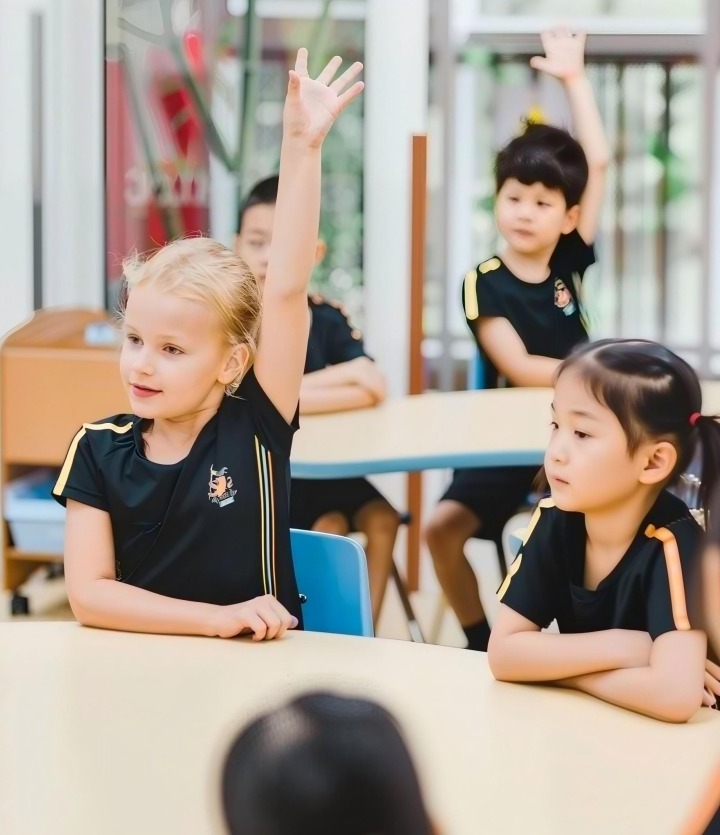
Our Definition of Global Citizenship
We inspire Wellingtonians to:
• Proactively address global challenges
• Work together with compassion and responsibility
• Take action to build fairer communities and a more sustainable planet
The Four Pillars of Global Citizenship
Knowledge & Understanding
Pupils explore:
• Identity, diversity, and human rights
• Global issues & sustainable development
• Service learning
• Skills Development

We cultivate:
• Communication & leadership
• Self-awareness & resilience
• Research & critical thinking
Values & Attitudes
Aligned with our core values, pupils demonstrate:
• Courage to make a difference
• Kindness and tolerance
• Respect for people and human rights
• Responsibility for environmental stewardship
• Integrity in all interactions
Taking Action
Pupils lead projects at personal, local, and global levels, applying their learning to real-world challenges.
School Ethos: Embedded in our vision, values, and daily practices.

Curriculum: Integrated across all subjects and key stages, in and beyond the classroom.

Participation: Pupils lead curricular and extracurricular projects on sustainability, peace, and equality.

Staff Development: Teachers receive industry-leading training in intercultural skills and global citizenship.

Transition: Our bespoke programmes prepare pupils for further education and the workplace through a global lens.

Community Engagement: We partner with local and international networks to amplify our impact.

Co-Curricular Activities


At Wellington, learning extends beyond the classroom. While we prioritise academic excellence, our diverse activities programme promotes holistic development, encouraging pupils to:
· Explore new interests
· Learn new skills
· Maintain physical and intellectual wellbeing
· Discover avenues for self-expression

These activities play a crucial role in shaping well-rounded individuals, helping them uncover their passions and develop intellectual, cultural, and athletic skills—starting in Early Years and continuing through each phase of their education.

Junior School assemblies take place every Wednesday at 3:00 PM in the Theatre. These gatherings are a vibrant opportunity for pupils to:

· Showcase their learning through presentations and performances.
· Engage with inspiring speakers from across the school, including Senior School pupils.
· Explore whole-school themes that connect to our core values.

Parents are warmly invited to attend weekly class assemblies and join in celebrating their child's achievements.

EDUCATION OUTSIDE THE CLASSROOM


We believe learning extends far beyond the classroom. Through field trips and residential experiences, pupils:


· Connect lessons to real-world contexts.
· Develop independence and teamwork.
· Explore new environments with guided, curriculum-linked activities.


Key Trips:


· Year 4: Residential trip within the countryside of Tianjin.
· Year 5: Educational excursion to Shanghai and visit peers at our Shanghai Wellington School.
· Year 6: Annual trip to London and visit peers at our UK Wellington School and Oxford University.


Parents receive advance notice for all trips, including briefings, schedules, links to the curriculum, permission slips, and uniform requirement


To learn more about our Junior School, please submit an enquiry form. Our Admissions team will contact you.
Enquire Now
NEXT
A Wellington College Education School
(+86-22) 8758-7199
No.1 Yide Dao, Hong Qiao District, Tianjin 300120 China
Contact UsPrivacy Agreement
Copyright © 2026 Wellington College International Tianjin. All Rights Reserved.
沪ICP备16027332号 沪公网安备31011502006872号
About Us
Our Story
Vision and Values
Governance
Our People
Job Opportunities
Sustainability
Affiliations & Accreditations
Festival of Education
Contact Us
Admissions
Virtual Tour
Application Process
Fees
Scholarships
FAQs
Contact Admissions
Open Days
Academic
Early Years
Junior School
Senior School
International Curriculum Centre
Why A Level
Pre-A Level
Formal Course
A Level Results
Academic Results
University Guidance
University Offers
English Language Acquisition
Mandarin
EdTech & STEAM
School Life & Community
Safeguarding
Co-Curricular Activities Programme
Arts,  Performing Arts & Music
Sports
Educational Visits
Enrichment
Competitions
Academy Programme
Our Pupils
Pupil Leadership
Our Alumni
Friends of Wellington
The Library
School Services
Catering
Uniform
School Bus
Coffee Shop
Pastoral Care & Wellbeing
House System
Wellbeing
Pupil Support
SEN & Inclusion
Health & Safety
Healthcare Centre
News and Media
Latest News
Photo Gallery
Video Gallery
Calendar
Contact Usprivacy agreement